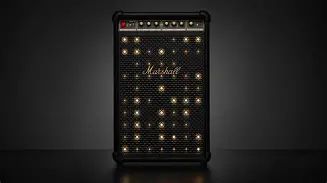
Should You Upgrade from Marshall Bromley 750 to Dali Kupid?
Introduction
The question of whether to upgrade audio gear is rarely binary; it depends on listening priorities, room acoustics, source material, and the gear ecosystem the buyer already owns. The Marshall Bromley 750 and the Dali Kupid occupy different places in the audio landscape: one carries the pedigree of a brand known for bold, characterful sound and strong lifestyle design, while the other comes from a Danish loudspeaker maker with a reputation for transparency and musical detail. This article examines the practical differences between the two, the use cases each serves best, and the considerations a prospective upgrader should weigh before switching.
How to read this comparison
The analysis below focuses on real-world performance and buyer concerns rather than chasing headline specifications. The sections cover tonal character, dynamics, imaging, amplification and system matching, placement and room considerations, build and long-term ownership, and resale/value. Where possible the narrative highlights typical listening environments (small living room, dedicated two-channel setup, bedroom, multi-purpose space) and music genres that reveal the strengths and weaknesses of each product.
Product analysis
Marshall Bromley 750 — overview and practical character
The Marshall Bromley 750 is positioned as a lifestyle-oriented product with a personality in its sound and appearance. Buyers who choose Marshall products often cite the brand’s aesthetic, stage-oriented voicing, and robust midrange presence. In practical terms, the Bromley 750 tends to emphasize forward mids and a lively top end, which can make vocals and guitars engaging and immediate in casual listening situations.
Real-world use cases for the Bromley 750 include living rooms where listeners want music that sounds exciting without extensive setup, multi-use spaces where mood and presence matter more than ultimate neutrality, and scenarios where the amplifier and speaker combination is expected to deliver satisfying sound at moderate listening levels. The Bromley’s character usually pairs well with rock, pop, and vocal-forward material.
On the system side, this product is often forgiving of inexpensive sources and variable room acoustics. It can deliver a pleasurable listening experience with relatively compact speakers and modest amplification. That practicality is appealing to buyers who want good sound without becoming audio hobbyists.
Dali Kupid — overview and practical character
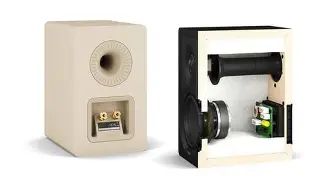
Dali (Danish Audiophile Loudspeaker Industries) is known for speakers that aim for detailed, neutral presentation and strong stereo imaging. The Kupid sits in that tradition: it prioritizes clarity, transient accuracy, and a balanced tonal palette. Where the Bromley leans into personality, the Kupid tends toward translation — reproducing what the recording contains with a focus on micro-detail and spatial cues.
In real-world terms, the Kupid is an attractive option for listeners who value long listening sessions with less fatigue, critical listening, and jazz/classical/acoustic music that benefits from linear frequency response and accurate timbre. It is also a good match for two-channel setups where pairing with quality amplification and source components can reveal layers of information in recordings.
Discover deals on Audio & Headphones — updated daily.
See Deals →Buyers considering the Kupid often plan to integrate the speakers into a system with matched amplification, room treatment, or at least careful placement. The payoff is clearer imaging, more precise midrange textures, and a more lifelike soundstage at appropriate listening levels.
Pros & Cons
Marshall Bromley 750
- Pros: Engaging, characterful sound that makes casual listening lively; forgiving of varied sources; strong midrange presence that highlights vocals and guitars; typically bold styling that suits living-room aesthetics; user-friendly performance without extensive system matching.
- Cons: Less neutral tonal balance, which can obscure subtle recording details; may sound colored or “V-shaped” to listeners who prefer accuracy; imaging and tightly focused soundstage may be less refined than dedicated audiophile speakers; not the best choice for critical listening or large, treated rooms seeking ultimate transparency.
Dali Kupid
- Pros: Neutral, detailed presentation with excellent imaging; refined midrange and accurate timbral reproduction; well-suited to critical listening and acoustic music; responds well to better sources and amplification, meaning the system can be incrementally upgraded; generally better translation across genres when fidelity is the priority.
- Cons: Requires more careful system matching and room placement to fully shine; less immediately “fun” for casual party-style or loud rock listening without an amplifier that adds weight and drive; can reveal shortcomings of upstream components; often demands a larger budget to realize full potential.
Comparison table
| Attribute | Marshall Bromley 750 | Dali Kupid |
|---|---|---|
| Sound signature | Characterful, forward mids, energetic highs | Neutral, detailed, accurate timbre |
| Best use | Casual listening, rock/pop, living-room lifestyle systems | Two-channel fidelity, acoustic/jazz/classical, critical listening |
| Pairing needs | Can work well with modest electronics and portable sources | Benefits significantly from higher-quality amplification and source |
| Imaging & soundstage | Good but less precise | Excellent, focused, and three-dimensional |
| Room size suitability | Small to medium rooms without heavy treatment | Small to medium rooms ideally with careful placement; excels in treated rooms |
| Maintenance & longevity | Robust build and lifestyle design; straightforward upkeep | Well-built with attention to transducer quality; longevity tied to driver and crossover quality |
| Aesthetics | Bold, brand-forward styling | Conservative, understated Scandinavian design |
| Value proposition | High immediate enjoyment per dollar for casual listeners | High long-term value for fidelity-focused buyers who invest in the rest of the system |
System matching and practical considerations
When contemplating an upgrade, the buyer should think about the rest of the system. The Kupid rewards investments upstream: a cleaner DAC, a finer amplifier, and better cables yield noticeable improvements. The Bromley 750, on the other hand, is designed to work well within a more modest, all-in-one, or minimalist setup where the goal is immediate enjoyment rather than component-level transparency.
Amplification requirements differ in approach: the Kupid’s neutrality and lower tolerance for distortion mean that amplifier selection matters — an amplifier with low distortion, enough current, and neutral tonal character will let the Kupid demonstrate its strengths. The Bromley is more forgiving and can sound pleasing with tube-flavored or color-adding amplification if the listener prefers a warmer, more “musical” presentation.
Room acoustics are another crucial factor. The Kupid’s detailed midrange and imaging make it more sensitive to room reflections and positioning. Buyers should be prepared to spend time on speaker toe-in, distance to walls, and perhaps simple acoustic treatments (rugs, curtains, absorption panels) to get the best out of the speakers. The Bromley is typically more tolerant of less-than-ideal placement.
Real-world listening scenarios
Scenario: Small living room for mixed listening
For a buyer whose primary use is mixed listening (background music during social gatherings, podcasts, casual tracks), the Bromley 750 often provides the most satisfying experience. Its midrange presence gives vocals and commonly played tracks an immediacy that connects in life situations. The Dali Kupid will still sound cleaner and more detailed, but if the majority of listening is background and social, the investment in system refining may not be justified.
Scenario: Dedicated two-channel listening for jazz and classical
In a setup where the listener sits and evaluates recordings, the Kupid’s strengths become clear: better separation, faithful tonality, and a more convincing acoustic image. For acoustic instruments, the Kupid can reveal harmonic nuances and spatial cues that the Bromley may gloss over. Listeners who value transparency and intend to upgrade sources and amplification over time will find the Kupid to be a more future-proof choice.
Scenario: Home office and media consumption
For media consumption (streaming video, video calls, casual gaming), ease of integration and forgiving voicing matter. The Bromley 750’s lively presentation can make content sound engaging with minimal fuss. The Kupid works well too, but may highlight weak encodings or compressed audio more obviously.
Discover deals on Audio & Headphones — updated daily.
See Deals →Buying guide — what to check before upgrading
Upgrading should begin with a clear set of priorities. The following checklist helps translate preference into a good decision:
- Define listening goals: Is the aim to enjoy music casually, to critically evaluate recordings, or to build a long-term reference system? The decision flows from this.
- Assess the room: Measure approximate room dimensions and reflect on placement options. The Kupid performs best when placement can be optimized; the Bromley is easier to live with in constrained spaces.
- Match amplification: Check the amplifier’s character and power. Neutral, low-distortion amps complement the Kupid, while the Bromley is more tolerant of colored amplification.
- Source quality: Consider whether the music source will be upgraded. High-resolution or carefully mastered files reveal the Kupid’s strengths; compressed streaming is less revealing and can favor the Bromley’s immediacy.
- Audition both with familiar tracks: Bring several representative tracks that the buyer knows well — quiet acoustic, vocal, and dynamic orchestral pieces — and listen at realistic volumes.
- Ask about return policies: Even the best audition in a shop can differ from a home room. Verify trial periods and return conditions before committing.
- Consider resale and long-term value: High-quality speakers from established brands retain value, but the real return comes from how the new system satisfies listening goals.
- Factor in other costs: Upgrading speakers often triggers downstream upgrades: stands, isolation pads, speaker cables, or a better amp. Budget accordingly.
Troubleshooting and setup tips for a successful upgrade
Transitioning from a characterful product like the Bromley to a more neutral speaker such as the Kupid can reveal issues in a system. Common troubleshooting steps include:
- Placement experimentation: Move speakers forward/back in relation to the listening position and walls; small increments (10–20 cm) can significantly affect bass and imaging.
- Toe-in adjustments: Slightly angling the speakers toward the listening position improves focus and can reduce edge-brightness on the treble.
- Run-in time: Allow a reasonable break-in period; some drivers settle after dozens of hours, smoothing out transient behavior and bass response.
- Check source chain: If the Kupid sounds harsh or thin, test with a higher-quality source or different amplifier to isolate whether the issue is upstream.
- Consider a subwoofer: Adding a sub can restore slam and deep bass if the new speakers are lighter in the lowest octaves, but proper crossover and integration are essential.
Who should upgrade — and when to wait
Upgrading from the Marshall Bromley 750 to the Dali Kupid makes the most sense when the buyer's priorities shift from immediate gratification to fidelity, when there is willingness to refine the rest of the system, or when critical listening is becoming a sustained interest. If the current listening habits are casual, centralized in multi-use living spaces, and budget-constrained, sticking with the Bromley or making smaller incremental upgrades (better sources, room treatments, or speaker stands) may deliver more perceived value.
Conversely, if recordings increasingly reveal nuance and the listener finds themselves wanting more detail, intimacy, and accurate timbre, the Kupid is a logical step. The transition tends to be most satisfying when done as part of a plan: acquire the speakers, audition them in the home, and be prepared to optimize amplification and placement for best results.
Conclusion
There is no universal answer to whether an upgrade from the Marshall Bromley 750 to the Dali Kupid is the right move. The Bromley excels where immediacy, character, and lifestyle integration matter most; it is designed to be forgiving and fun. The Kupid rewards listeners who prioritize accuracy, imaging, and long-term system refinement. For those whose listening habits have evolved toward critical enjoyment and who are willing to invest in the rest of the system and room treatment, the Kupid represents a meaningful step up in fidelity. For buyers who favor a lively, uncomplicated listening experience in a multipurpose space, the Bromley 750 remains a very sensible and often more practical choice.
Ultimately, the best approach is pragmatic: audition both with familiar music in a realistic environment, consider the implications for amplification and placement, and decide based on which product better aligns with the listener’s musical priorities and lifestyle constraints.